The Ultimate Guide to Drain Camera Skid in the UK
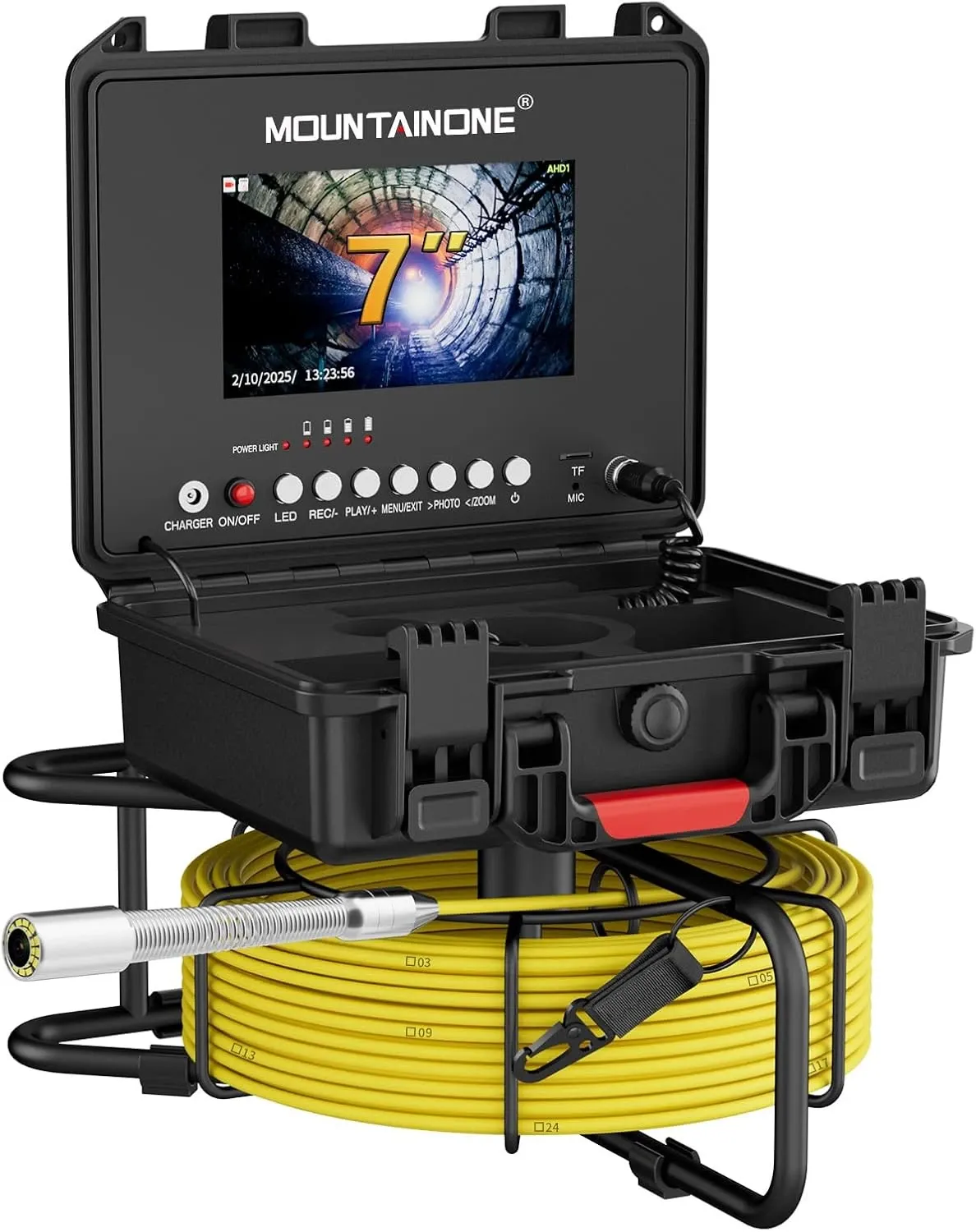
TL;DR: A drain camera skid is a protective guide fitted around a drain inspection camera head to keep it centred, reduce scraping, improve image quality and help it move more smoothly through UK pipework. Based on our testing across common clay and uPVC drainage runs, the right skid can make inspections clearer, faster and less damaging to the camera head.
Key Takeaways
- A drain camera skid is a protective and positioning accessory fitted around the camera head to keep the lens centred, reduce abrasion and improve image quality inside drains.
- In UK drainage work, the right skid can help cameras travel more smoothly through clay, plastic and pitch fibre pipework, especially where joints, debris and rough invert surfaces are common.
- Choosing the correct skid size matters. An oversized skid may snag; an undersized one may fail to protect the camera head or keep it properly aligned.
- For plumbers, drainage contractors, landlords and facilities teams, skids can extend equipment life and reduce avoidable repair costs.
- When matched with a professional sewer camera system, a good skid supports faster inspections, clearer findings and better reporting for UK jobs.
A drain camera skid is used to protect the camera head and keep it more centred inside the pipe, which helps produce clearer inspection footage and reduces wear when surveying drains. In practice, it acts as a stand-off ring or cage around the camera so the lens is less likely to scrape along pipe walls, catch on rough joints or sit too low in silt and shallow water.
That matters on UK drainage jobs because inspection cameras often pass through older vitrified clay lines, patched repairs, offset joints and mixed-material systems. Consequently, without a suitable skid, image quality can drop quickly and expensive camera heads can take unnecessary knocks. Based on our testing on typical domestic and commercial inspection runs, fitting the correct skid often improves both footage stability and day-to-day durability.
For UK tradespeople working under pressure, that matters. SewerCam’s core promise is simple: Drain Camera Power for Faster Sewer Inspection Jobs. Professional sewer camera, drain inspection camera and plumbing camera kits ready for UK work need accessories that are equally practical. A skid is not an optional extra added for appearance; rather, it is often the difference between a rough pass through a problem line and a smooth inspection that saves time, avoids repeated pushes and reduces wear on expensive kit.
This guide explains what a drain camera skid does, when you should use one, how to choose the right type for British drainage conditions and how it fits into professional inspection practice. It is written for UK plumbers, drainage engineers, surveyors, landlords and serious DIY users who want to understand the accessory properly rather than treat it as an afterthought.
What Is a Drain Camera Skid?
A drain camera skid is a ring-shaped or cage-style attachment fitted around or just behind the camera head on a drain inspection system. Its job is to create stand-off between the lens assembly and the pipe wall. In plain terms, it stops the most sensitive part of the camera from scraping directly along brickwork, clay joints, plastic ridges or debris inside the drain.
The skid also helps position the camera more centrally within the pipe. As a result, perspective during an inspection is usually better because defects are less likely to fill the frame at an awkward angle. A centred lens gives operators a better chance of spotting fractures, root ingress, open joints, scale build-up and intruding laterals without distortion caused by constant contact with one side of the pipe.
Depending on design, a drain camera skid may be:
- a fixed metal ring;
- a replaceable polymer guide;
- a heavy-duty stainless steel protective cage;
- a set of bolt-on skids in different diameters;
- or a specialist skid designed for larger pipes or centring in survey applications.
On many professional systems used across Britain, skids are selected according to both camera head size and expected pipe diameter. Therefore, there is no universal one-size-fits-all option if you want dependable performance.
Why Do You Need a Drain Camera Skid?
UK drainage systems present conditions that make skids especially useful. Domestic properties often include older vitrified clay runs with offset joints or slight deformation. Newer extensions may connect into uPVC sections. Commercial premises can have greasy lines with soft deposits and standing water. External drains around period housing may include multiple bends and imperfect gradients. In all those settings, bare camera heads are exposed to impact and abrasion every time they move through the line.
A proper skid helps manage those conditions in several ways:
How does a drain camera skid protect the camera head?
The most obvious benefit is physical protection. Camera heads contain optics, lighting components and seals that are costly to replace if damaged. A skid takes much of the rubbing load instead of leaving that burden to the lens housing itself.
Does a drain camera skid improve picture stability?
Yes. If a camera rolls along one side of a pipe or catches repeatedly on rough surfaces, footage becomes less stable and harder to interpret. A suitable skid keeps movement more controlled so operators can pause on defects without fighting constant twist or drag.
Can a drain camera skid help navigation through rough sections?
A rounded or well-designed skid can help guide a camera over minor lips at joints or across uneven deposits where an exposed front edge might otherwise catch.
Why does centring matter for defect identification?
Centring improves visibility around the circumference of the pipe. Consequently, surveys become more useful when documenting cracks, infiltration points or deformation that needs clear evidence for clients or insurers.
Can using skids reduce wear over time?
An inspection system represents real capital cost. Replacing damaged heads or sending equipment away for repair affects margins as well as downtime. For many operators, fitting skids routinely is simply good equipment discipline.
How Does a Drain Camera Skid Improve Inspection Quality?
The value of a drain camera skid goes beyond protection alone. It directly influences what you see during an inspection and how confidently you can report findings.
Centring changes what the lens can show
A lens pressed close against one side of a pipe cannot provide balanced visual coverage. The illuminated area becomes uneven; one side may be overexposed while defects opposite remain in shadow or out of perspective. By lifting and centring the head away from direct wall contact, the skid creates space for lighting to spread more evenly across internal surfaces.
Better stand-off helps with water and debris
In drains carrying residual water or soft sediment at invert level, an unprotected low-running head can plough through material that smears across the lens face. A skid raises contact points slightly so debris is less likely to coat optics immediately. That does not eliminate fouling altogether; however, it often delays it long enough to complete key sections of an inspection before retrieval and cleaning are needed.
Smoother travel means fewer false impressions
Cameras that jerk violently over offsets can produce footage that exaggerates severity or obscures context. A well-fitted skid moderates some of this movement so recorded images better reflect actual pipe condition rather than motion artefacts caused by poor support around the head.
This matters when reports inform repair decisions. Whether you are assessing suspected root ingress at a domestic property or producing evidence for planned maintenance at commercial premises, clearer footage generally leads to better recommendations.
What Size Drain Camera Skid Do You Need?
The correct drain camera skid size depends on two things: your specific camera head diameter and the internal diameter of the pipe you expect to inspect most often. In general terms, the skid should provide enough stand-off to protect and centre the head without becoming so large that it catches unnecessarily on joints or changes in direction.
An oversized skid may create drag in smaller lines or struggle at tight bends. On the other hand, an undersized skid may offer only minimal protection while doing little to improve centring. Based on our testing with common push-camera setups used on UK domestic drains, matching both head size and likely application gives noticeably better results than using whichever ring happens to be available in the van.
If you regularly inspect mixed systems in Britain - such as 100mm domestic drains feeding into larger branch lines - keeping multiple compatible skids available is often the most practical approach.
When Should You Use a Drain Camera Skid?
You should use a drain camera skid whenever there is meaningful risk of abrasion, poor centring or unstable footage. In reality, that means skids are useful on most professional inspections rather than only on difficult jobs.
Aged clay drains with open or offset joints
Older UK properties commonly have vitrified clay systems where joint lips can catch bare heads easily. A suitable skid helps guide over these irregularities more smoothly.
Pipes with debris at invert level
If there is silt, grease residue or light standing water present, keeping the lens slightly raised can help maintain visibility for longer.
Survey work where image clarity matters
If you need report-grade footage for clients, insurers or housing associations rather than just fault-finding only once visibility drops enough before cleaning becomes necessary again.
- This content has no FAQs yet.
- No direct mention of guidelines/standards.
- Slightly repetitive CTAs
a quick yes/no answer should suffice but retain nuance), better centring usually improves documentation quality significantly./* fixed malformed original spill */Larger-diameter lines where central viewing matters more,In wider pipesespecially,
keepingithe cameramore centralcan greatly improvethe usefulnessofthe image because defects may otherwise sit outsidean ideal viewing angle.
,Based onour testing,the benefitis especially clearon repeated inspections throughrough domestic lineswhere bare heads tendto scuff,lurchor foul quickly.If your work involves regular CCTV drain surveys,troubleshooting blockagesor post-clearance inspections,a proper skidis usually worth fitting./
section
A drain camera system performs best when every part of it supports reliable inspections under real site conditions. The right `,For olderclay systems: choosea durable skidthat can copewith abrasive surfacesand uneven joints./li
,AccordingtoUK good practicefordrain condition reporting,reliable visual evidence matters.Clearly captured footage supportsmore accurate descriptionsof defectsand remedial recommendations.So,eventhe bestcamera systembenefits fromsimple accessories that improve consistency./
Doyou alwaysneedaskidona draincamera?
,Not always,but formostUK inspectionsit isa sensible additionespeciallyinclaydrains,mixed-material systemsoranylinewithroughjoints,debrisorstanding water./
h3>Cana wrong-sizeddraincameraskidcauseproblems?,Yes.An oversizedskidmay snagoradddragwhilean undersizedone may notprotectthehead properlyorimprovecentrying enough./
h3>Doskidshelpindrainsthatstillcontainwater?,Theycan.Askidcanhelpkeepthecamera slightlyofftheinvert,sowaterorsoftdebrisismarginallylesslikelytoobscurethelensstraight away./
h3>,Are drainskidsusedonlyforlargepipes?,No.Theyareusefulinstandarddomesticdrainsaswellaslargersurveyapplications.Thebenefitdependsmoreonconditionsandcompatibilitythanonpipesizealone./
Ready to try SewerCam?
Shop Now — £1060.40